
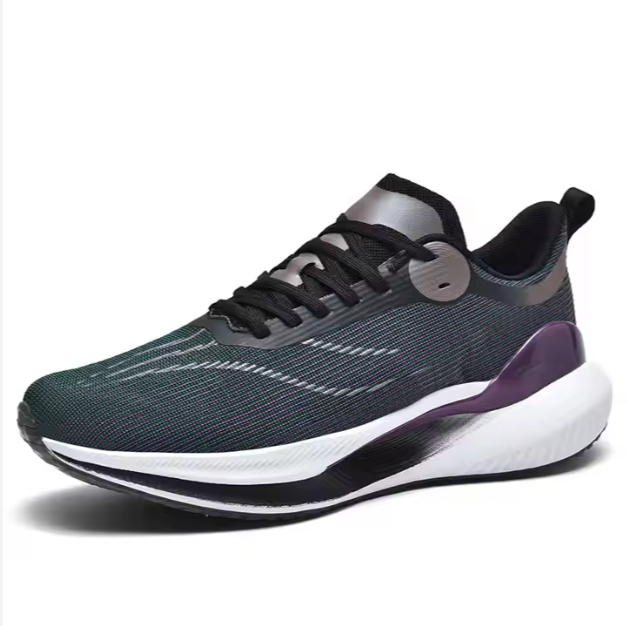
Running Shoe
Lightweight running shoe for everyday training
$60.00$45.99
Discover the perfect blend of style and performance with our latest running shoe. Designed for ultimate comfort, this shoe features a breathable mesh upper, a cushioned sole for exceptional support, and a robust lace-up design for a secure fit. Whether you're hitting the pavement for a casual jog or training for your next marathon, this shoe promises to keep you comfortable and energized every step of the way. Available in a variety of sizes and vibrant colors to match your personal style.
When it comes to running, the importance of choosing the right footwear cannot be overstated. A quality running shoe is more than just an accessory; it is a crucial component of a runner's performance, comfort, and overall health. With an array of options available on the market today, selecting the ideal pair can be overwhelming. This guide will explore the key features to look for in a running shoe, the different types available, and how to ensure the perfect fit. ### Understanding Running Shoes Running shoes are specifically designed to provide the necessary support, cushioning, and stability needed for the repetitive motion of running. They are engineered to absorb impact, assist with proper foot alignment, and enhance performance. Unlike regular sneakers, running shoes offer enhanced features that cater to the biomechanics of running, ultimately reducing the risk of injury. ### Key Features to Consider 1. **Cushioning**: The amount of cushioning in a running shoe plays a vital role in providing comfort and impact absorption. Some runners prefer a lot of cushioning for a softer landing, while others opt for a firmer shoe that offers a more direct ground feel. Your personal preferences, along with the type of terrain you run on, will help determine the right level of cushioning for you. 2. **Support**: Depending on your foot's arch type—neutral, flat, or high—your running shoe should offer the proper level of support. Stability shoes provide extra support for overpronators (those whose feet roll inward) while neutral shoes cater to those with a neutral gait. It’s essential to identify your foot's specific needs before making your selection. 3. **Fit**: The fit of a running shoe is crucial for both comfort and performance. A good running shoe should fit snugly but not uncomfortably tight. There should be about a thumbnail's width of space between your longest toe and the front of the shoe. It's also important to try on shoes later in the day when your feet may be slightly swollen from activity. 4. **Durability**: Look for materials and construction techniques that indicate a durable shoe. The outsole's rubber should be high-quality, while the upper materials should provide flexibility without sacrificing longevity. A durable shoe will not only last longer but will also provide consistent performance throughout its lifespan. 5. **Traction**: The type of terrain you'll be running on will dictate the level of traction you need. Trail running shoes often have deeper lugs for grip on uneven surfaces, while road running shoes feature a smoother outsole for better speed and efficiency on pavement. ### Types of Running Shoes There are several categories of running shoes tailored to various running styles and environments: - **Road Running Shoes**: These are designed for paved surfaces and offer lightweight cushioning. They typically provide a minimal drop, which allows for a more natural foot movement. - **Trail Running Shoes**: Made for off-road conditions, trail running shoes feature aggressive outsoles to provide better traction and are often constructed with water-resistant materials to keep your feet dry. - **Stability Shoes**: Ideal for runners who overpronate, stability shoes offer additional arch support and help maintain proper foot alignment. - **Minimalist Shoes**: These shoes are designed to give the feeling of running barefoot while still providing some protection. They often have less cushioning but promote a more natural running style. - **Motion Control Shoes**: Best for severe overpronators, these shoes provide maximum support and control to reduce excessive foot motion during running. ### Finding the Right Fit To find the perfect running shoe, visit a specialized running store where knowledgeable staff can help assess your foot type and gait. They may conduct a gait analysis, evaluating how your feet move as you run, and help you try on various options. It’s advisable to wear the socks you intend to use while running to ensure the best fit. Once you have found a shoe that feels good, allow yourself some time to break them in. It’s normal for a new shoe to feel a bit stiff initially. ### Conclusion Investing in the right running shoes is essential for any runner, whether you are just starting your journey or are a seasoned competitor. Paying attention to the significant features—cushioning, support, fit, durability, and traction—will not only enhance your running experience but also help maintain your foot health. Never underestimate the impact of a well-chosen running shoe; it can make the difference between a comfortable run and one filled with discomfort. Lace-up, hit the trails or the streets, and enjoy the journey ahead!